Cabinets And Drawers: Understanding Differences, Types, And Best Uses
Understanding Cabinets and Drawers: Key Differences and Uses
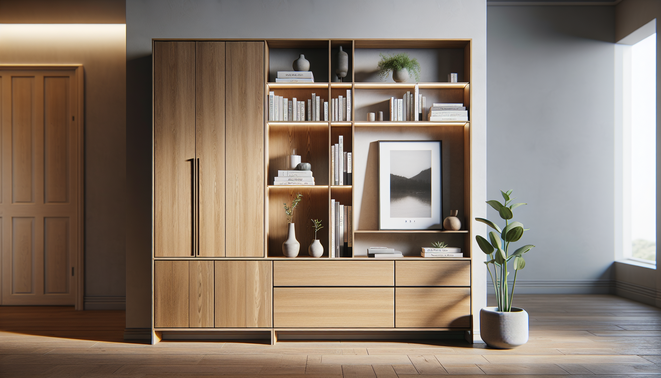
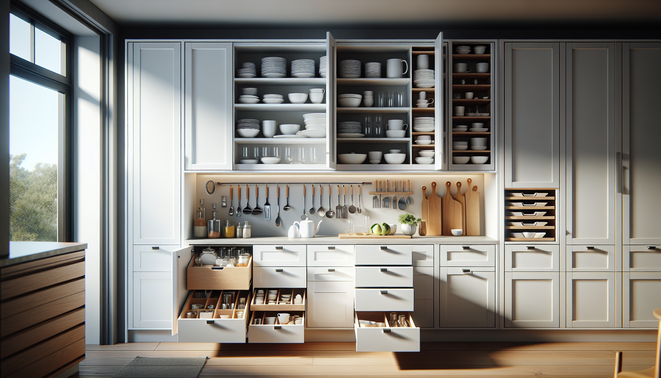
Cabinets and drawers serve as essential storage solutions but differ significantly in structure and purpose. Cabinets are larger, typically enclosed with doors, housing shelves designed to accommodate bulkier or grouped items, such as dishes, utensils, or pantry supplies. Drawers, conversely, are sliding compartments integrated inside cabinets or furniture, ideal for organizing smaller items like cutlery or tools for convenient access. The construction varies: cabinets consist of a frame, doors, and shelves, whereas drawers have a box structure equipped with sliding mechanisms to glide out smoothly.
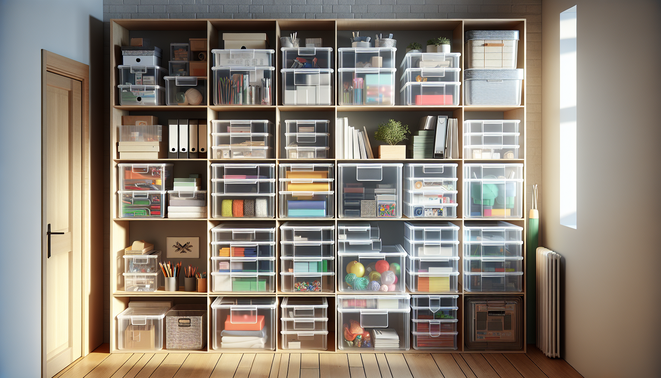
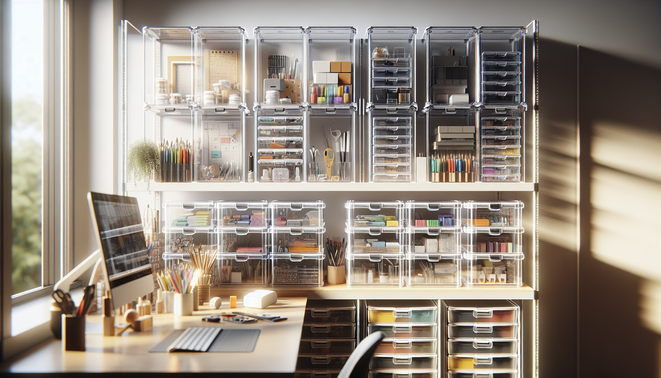
Cabinets provide vertical storage, optimal for rooms like kitchens and bathrooms, whereas drawers offer compartmentalized organization for smaller items, frequently utilized in offices and kitchens alike. Choosing between them hinges on storage type and ease of access—cabinets for large or infrequently used items, drawers for smaller items requiring regular access to enhance organization efficiency.
For additional insights on storage optimization, see our article on Smart Storage Ideas.
Popular Types of Cabinet Drawers and Their Features
Various drawer types improve storage effectiveness and accessibility. Full-extension drawers allow users to pull out the entire drawer, maximizing access to contents. Undermount drawers attach beneath cabinet frames, offering a sleek design and smooth movement. Soft-close drawers incorporate hydraulic dampers that prevent slamming, enhancing noise control and protecting both drawer hardware and contents.
Deep drawers accommodate bulky items like pots and pans efficiently, while roll-out or pull-out drawers fully extend out, commonly employed in pantries or lower cabinets for easy reach. Specialized inserts such as spice and utensil compartments maintain organization and ease of retrieval.
The quality of construction impacts durability—dovetail joints, which are wedge-shaped interlocking cuts, are renowned for their strength and aesthetic appeal. Box joints, with square interlocking fingers, offer solid durability though less ornate. Both joint types improve longevity and load tolerance.
Hardware innovations like ball-bearing slides enhance smoothness and weight capacity. Integrated dividers, non-slip liners, and adjustable partitions further improve drawer functionality, making cabinetry tailored to diverse kitchen needs both efficient and user-friendly.
Materials and Finishes for Durable Cabinets and Drawers
Choosing the right materials is crucial for durable cabinetry. Solid wood is prized for its natural beauty and strength but is costly and sensitive to moisture damage if untreated. Plywood offers structural strength with better moisture resistance at a reasonable price. More affordable options like MDF and particleboard are less durable and vulnerable to swelling from moisture, with particleboard being the least resilient. Metal materials provide exceptional durability and moisture resistance, fitting well with modern or industrial styles but typically come at a higher cost.
Finishes affect both appearance and durability. Paint provides versatile colors but may chip over time. Stains highlight wood grain, enhancing moisture protection while preserving a classic look. Veneer, a thin wood layer applied to less expensive cores, offers the look of real wood but requires careful moisture protection. Laminate is highly durable and moisture resistant, ideal for busy areas. Thermofoil, a plastic coating on MDF, is economic and moisture resistant but prone to peeling or cracking under heat exposure.
Balancing budget, moisture resistance, and aesthetics is key in selecting materials. Often, plywood or solid wood paired with stain or laminate finishes strikes the best balance for longevity and visual appeal.
Source: HomeAdvisor | Source: Houzz | Source: Home Depot
Installation and Maintenance Tips for Long-Lasting Cabinets and Drawers
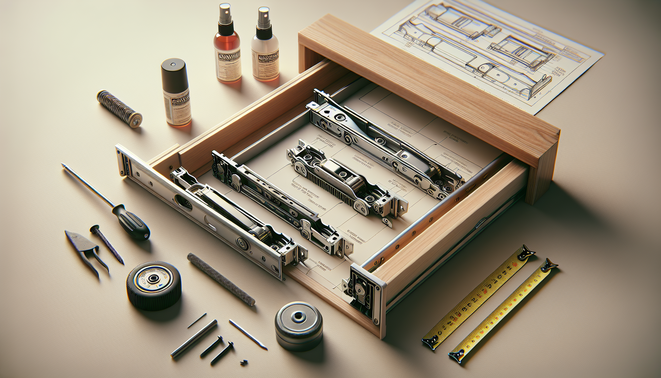
Proper installation and consistent maintenance extend cabinetry lifespan and functionality. Begin with precise measuring and utilize a stud finder to securely mount cabinets to wall studs, ensuring stability and weight support. Accurately align drawer slides, confirming they are level and operate smoothly to avoid binding issues.
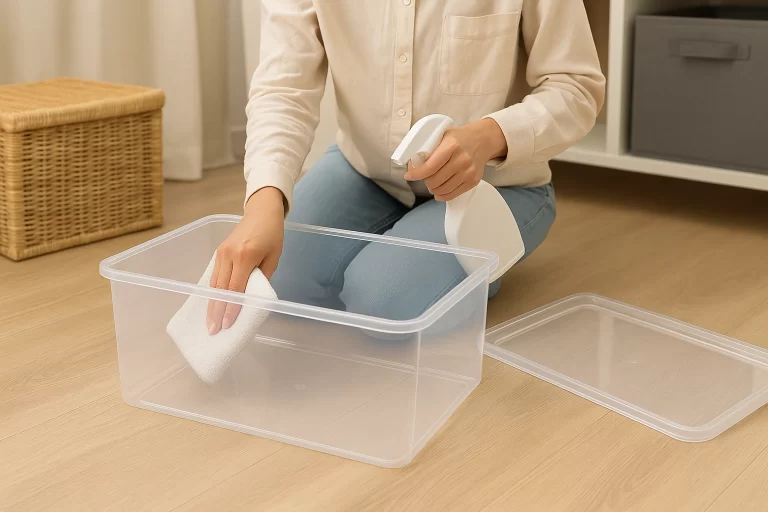
Routine cleaning using mild detergents removes buildup, while applying silicone-based lubricants to slides reduces friction and wear. Periodically tightening hardware prevents loosening over time. Common problems like sticking drawer slides typically stem from misalignment or loose screws, easily resolved by realignment and hardware tightening. Lubricating squeaking components also ensures quiet operation.
Adhering to these guidelines will preserve the smooth function and extend the life of your cabinets and drawers. For comprehensive guidance, explore resources such as Home Depot and This Old House.
Source: Home Depot | Source: This Old House | Source: Family Handyman
Choosing the Right Cabinets and Drawers for Your Space and Style
Selecting cabinets and drawers involves harmonizing function, design, and budget. Assess your storage needs carefully; for instance, consider what items you access frequently to determine drawer depth and cabinet height. Popular styles include modern—favoring sleek minimalism, shaker—with clean, classic lines, and inset—featuring doors flush with the cabinet frame for a seamless look. Complementing the style, hardware choices such as handles or knobs further personalize the aesthetic.
Accessibility features like pull-out shelves and soft-close drawers improve usability for all users. Budget ranges vary widely; investing in higher-quality materials often results in longer-lasting cabinetry and better resale value. Neutral, timeless styles with quality fixtures generally appeal to future buyers, whereas bold design choices may reflect personal taste but limit mass-market appeal.
Balancing practical needs with style preferences and financial considerations creates a cohesive, functional kitchen space that enhances both comfort and home value.
Sources
- Family Handyman – How to Fix Sticking Drawers
- HomeAdvisor – Materials for Cabinets
- Home Depot – How to Install Cabinets
- Home Depot – Materials Used in Cabinets
- Houzz – Cabinets
- Houzz – Cabinets vs Drawers: Which Is Right for You
- Houzz – How to Choose Kitchen Cabinets
- Houzz – Types of Cabinet Drawers
- This Old House – How to Install Kitchen Cabinets