The Ultimate Guide To Food Containers: Materials, Uses, And Care
Types of Food Containers: Materials and Uses
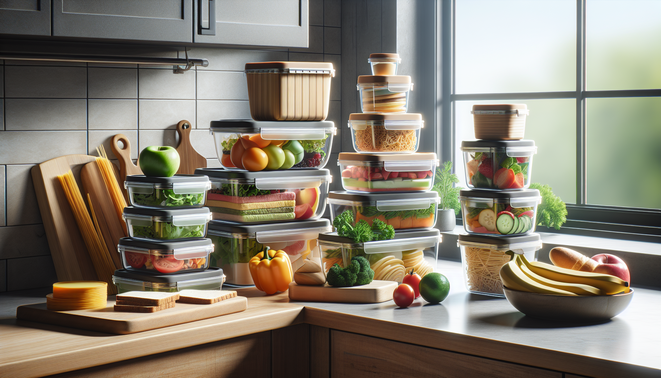
Food containers are made from a variety of materials, each offering distinct advantages tailored to different storage needs. Plastic containers (polypropylene, polyethylene, PET) are popular due to their lightweight nature, affordability, and freezer safety, though they can retain stains and odors. Glass containers provide durability, are microwave-safe, and ideal for reheating or pantry storage but are heavier and fragile. Stainless steel containers are robust and reusable, perfect for lunch storage but generally unable to be microwaved. Silicone containers offer flexibility, are microwave and freezer safe, and compact for easy storage. Additionally, bamboo containers present an eco-friendly, compostable option with natural antibacterial properties, best for dry goods and serving rather than reheating. Compostable containers made from plant fibers or bioplastics assist sustainability goals but often lack heat tolerance, so they work best for cold or single-use storage. Selecting the ideal container depends on specific needs like freezing, microwaving, portability, or pantry organization, balancing convenience, durability, and environmental impact [Source: WebstaurantStore][Source: noissue.co].
How to Choose the Right Food Container for Your Storage Needs
Choosing an ideal food container involves assessing your storage habits and goals. Opt for airtight containers to extend freshness, which is key for leftovers and pantry staples. Assess temperature resistance when freezing or microwaving; glass and BPA-free plastics perform well in heat applications. Size and stackability optimize space usage—containers that fit your portion sizes and stack securely simplify storage. Durability is important: stainless steel and glass tend to last longer, whereas plastic is lightweight and budget friendly. Consider food type too—dry goods benefit from rigid, sealable containers, while soups require microwave-safe, leak-proof options. Frequency matters: dishwasher-safe containers are preferable for daily use. Finally, balance budget with quality for long-term savings through reduced replacement needs. Popular choices include airtight Pyrex sets for heat resistance and meal prep, and portable stainless steel containers, albeit less suited for the freezer [Source: Food Network][Source: Consumer Reports].
Benefits of Using Food Containers for Freshness and Organization
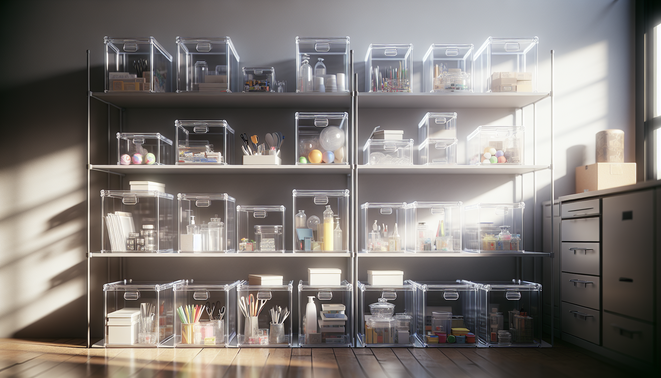
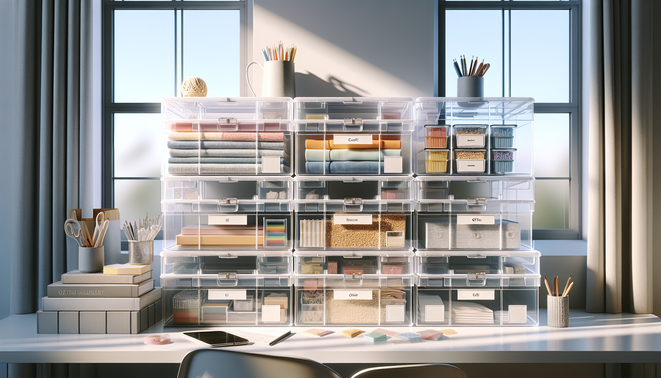
Food containers offer substantial benefits in maintaining food freshness and kitchen organization. Airtight seals drastically extend shelf life by slowing bacterial growth and preventing contamination, leading to less spoilage and food wastage. This preservation keeps flavors fresh and saves money. Containers also facilitate portion control and meal planning by allowing measured portions to be prepared in advance, which supports healthier eating habits and reduces overeating. From an organizational perspective, containers help maximize refrigerator and pantry space, making items easier to locate and reducing clutter. This efficiency saves cooking time and promotes food safety. Overall, investing in proper containers enhances kitchen workflow, promotes sustainability by minimizing waste, and encourages better nutritional practices [Source: KitchenDance][Source: Food Boutique].
Practical Tips for Cleaning and Maintaining Food Containers
Proper cleaning and maintenance ensure food containers remain safe and durable. Wash containers promptly after use with mild detergent to prevent stains and odors from setting. Avoid abrasive scrubbers like steel wool that can damage surfaces. For stubborn residues, natural remedies such as white vinegar can be effective: let vinegar sit for 15 minutes before rinsing. Glass containers are typically dishwasher safe, but for plastics, pre-washing with cold water followed by warm, soapy water is advised. Don’t forget to clean removable rubber gaskets separately to prevent mold growth and maintain airtight seals. Thorough drying is crucial to inhibit bacteria, and storing containers with lids off or slightly ajar promotes air circulation. Replace cracked, warped, or heavily stained containers to ensure safety and hygiene. These practices prolong container life and help keep stored food fresh and safe [Source: Horeca Food Packaging][Source: Simply Done].
Eco-Friendly Food Container Options and Sustainable Practices
Eco-conscious consumers can choose from several environmentally friendly food container options and sustainable practices. Durable reusable containers made from stainless steel, glass, or silicone reduce waste through repeated use. Compostable containers, made from plant fibers like bagasse or bioplastics, decompose naturally in industrial composters, minimizing landfill impact. Recyclable materials such as certain plastics or aluminum contribute to a circular economy if properly processed. Extending container lifespan through repair or upcycling also cuts down waste, as does purchasing secondhand containers. In addition, choosing minimal packaging and avoiding single-use plastics are impactful habits. Brands like Vegware and Eco-Products lead in renewable, compostable food packaging innovations, aligning with sustainability goals from production through disposal. Embracing these strategies supports environmental responsibility and fosters an eco-conscious kitchen routine [Source: Origin Sustainables][Source: Eco-Products][Source: CC Newspaper].
Sources
- CC Newspaper – Innovations in Compostable Food Containers
- Consumer Reports – Best Food Storage Containers of the Year
- Eco-Products – Sustainable Food Containers
- KitchenDance – Benefits of Large Food Storage Containers
- Horeca Food Packaging – Cleaning and Maintaining Food Containers
- Simply Done – Food Storage Container Cleaning Tips
- noissue.co – Types of Food Packaging and Choosing the Right One
- Origin Sustainables – Reusable vs Compostable Containers
- Food Boutique – Benefits of Airtight Food Containers
- Food Network – Best Food Storage Containers
- WebstaurantStore – Food Storage Container Guide