
Choosing The Right Tool Box: Types, Features, Organization, And Best Picks For 2024
Understanding Tool Boxes: Types and Key Features
Tool boxes come in a variety of types, each designed to fit specific needs and work environments. The main categories include portable, chest, rolling, wall-mounted, and jobsite tool boxes.
- Portable tool boxes are lightweight and easy to carry, ideal for small-scale projects or those on the go.
- Chest tool boxes provide multiple drawers and large storage capacity, perfect for organized, stationary storage.
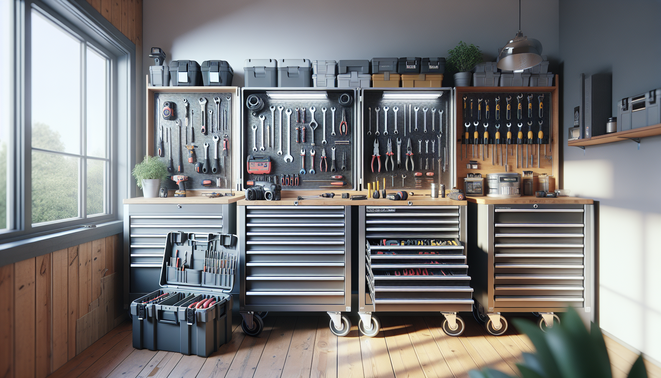
- Rolling tool boxes combine large storage with mobility, suitable for workshops and garages where tools need to be transported frequently.
- Wall-mounted tool boxes save floor space and allow quick access to tools in tight workspaces.
- Jobsite tool boxes are ruggedly built to withstand harsh conditions typical of construction sites.
Materials used in tool boxes typically include steel, aluminum, and plastic. Steel is highly durable and secure but heavier. Aluminum offers a balance of strength and lightness with corrosion resistance, while plastic options are lighter and rust-resistant though generally less durable.
Key features to consider include capacity, durability, weather resistance, locking mechanisms, and drawer configurations that maximize organization. Weather resistance is especially important for outdoor use, protecting tools from moisture, and secure locking systems help prevent theft.
Understanding these types and features is fundamental to selecting a tool box that fits your workflow and tool collection.[Foxwoll]
How to Choose the Right Tool Box for Your Needs
Choosing the perfect tool box depends on your environment, use case, and tool inventory. Professionals might prioritize durability and capacity, opting for heavy-duty metal chests or rolling carts that provide secure storage and easy access. DIY users often benefit from portable, multi-tier plastic or hybrid boxes for flexibility and lightness, while automotive enthusiasts should consider compact boxes with specialized compartments.
Consider your workspace size—rolling carts suit larger areas; compact boxes fit smaller spaces or job sites. Budget impacts material choice: plastic boxes are affordable yet less durable; steel provides longevity at a higher cost. Also, match capacity to your tool collection size, and consider modular systems if expansion is anticipated.
Mobility factors are important: wheels and ergonomic handles aid transport for rolling models. Finally, ensure drawer sizes and compartments align with your specific tools to maintain organization and prevent clutter.
Evaluating these factors carefully helps select a tool box that enhances productivity and organization.[MPR Tools] | [Wirecutter] | [Car and Driver]
Organizing and Maintaining Your Tool Box for Maximum Efficiency
Efficient tool box organization starts with using custom-cut foam inserts and trays to keep tools from shifting and prevent damage. Foam also resists moisture, helping reduce rust. Trays and compartments allow easy access and sorting, while clear labeling speeds up tool retrieval.
Regular maintenance helps prolong tool and box lifespan: clean tools to remove dirt and oils that cause corrosion, lubricate hinges and drawer slides, and apply rust-preventive sprays especially in humid conditions. Inspect tools after use, cleaning immediately to extend durability.
Maintain an up-to-date inventory to avoid loss or redundant purchases, and develop workflows that encourage returning tools to designated spots after use. These practices ensure your toolbox remains functional and boosts worksite productivity.[ShareMyToolbox]
Top Brands and Models of Tool Boxes in 2024
In 2024, several top brands and models stand out for their build quality, value, and innovation:
- DEWALT TSTAK Extra Large Tool Box — Modular and portable, great for professionals needing rugged storage.
- Crescent CTB1750N 17″ Tradesman Closed Top Tool Bag — Durable and well-organized, perfect for tradespeople on the move.
- Husky Workbench Toolbox — Ideal for garage setups with sturdy construction and ample storage.
- GEARWRENCH 3-Drawer Steel Toolbox (83151) — Compact, portable, and steel-built for strong protection.
- Husky Rolling Tool Cart — Best option for mobility combined with large storage capacity on job sites.
Choosing the right brand/model depends on your professional or DIY needs, focusing on a balance of durability, portability, and organizational features.[ShopSavvy] | [Wirecutter]
Tips for Proper Tool Box Storage and Portability
Proper storage is vital to maintain tool condition and ease of use. Keep tool boxes in climate-controlled areas to avoid rust caused by moisture and extreme temperatures. Secure heavy boxes to prevent tipping and stack only those designed for it to avoid damage.
For portability, select tool boxes with sturdy wheels and ergonomic handles, and use tie-down straps when transporting in vehicles to prevent shifting. To enhance security, utilize robust locking mechanisms such as padlocks or built-in locks, and consider GPS trackers for high-value tools.
When moving tools between jobs, organize tools by frequency of use to save time, and use protective liners inside cases to prevent jostling damage. Keeping tools stored properly preserves their value and keeps your workspace organized and efficient.[Heamar]